

Liquinvex is a premium wine marketplace where users can buy rare bottles, invest in wine, and sell through the platform.
Their target audience is investors who want to diversify their investment portfolios by opening a position in fine wines.
TL;DR - Key Results
- From stuck to live in 1 week
- Accepted into the Nana Bianca accelerator after 6 months
- 2 years of solid collaboration
When the problem isn’t the product
October 2023: Riccardo reached out to me after we had connected through zerocento.
The situation was paradoxical: they had a working application, iOS users actively using it, concrete requests from Android users, but they couldn’t get it on the store.
The problem? A previous collaboration that ended badly…
The contract had been terminated, communication had broken down, and two founders without technical skills were left stuck with a product one step away from launch.
They had been stalled for almost two months: investors were waiting, customers were asking for the Android version, but the business was frozen.
The first thing I thought was: “This is absurd. A ready product that can’t go out.”
I didn’t ask them a thousand questions.
I didn’t prepare quotes or elaborate contracts.
I told them: “Send me everything, in one week you’ll be live for free, then we’ll see if it makes sense to work together.”
The gesture that built trust
That first week was crucial for two reasons.
The first, obvious: I unblocked them.
The second, less obvious but more important: I showed that I genuinely wanted to help them. I wasn’t looking for a quick contract or a client to squeeze.
I felt bad seeing a situation like that, and I wanted their product to see the light.
Riccardo and Francesco (the two co-founders) had a negative experience with external collaborators and were therefore distrustful, rightfully so.
But that gesture changed everything.
After that week, we started talking about real collaboration.
And from there I was in. Completely.
Building a product with the resources you have, not the ones you wish you had
Liquinvex is a premium wine marketplace. Users can buy rare bottles, invest in wine, and now also sell through the platform.
The product I found wasn’t poorly developed, but critical features were missing and above all there was no clear direction on what to build first.
As always happens with early-stage startups, the founders had an endless list of “we’d like to do,” but resources were limited and the budget was what it was.
We set up a classic MoSCoW methodology with a Kanban board, and we did something that many underestimate: systematic tracking with Mixpanel to understand what really worked.
We weren’t building features because they seemed cool. We were building features because the data told us they were needed.
I brought in four people from my network: a backend developer, a frontend developer, a product person, and a designer. All freelancers, all trusted, all used to working with limited budgets and tight deadlines.
Coordination was weekly and asynchronous via Discord where we defined activities, set a budget, and they carried them forward. No micro-management, no endless calls. Just pure execution.
The stack was React Native for mobile, Laravel for backend, PostgreSQL for the database.
We had to redo several parts of the original code, but nothing transcendental. The focus was releasing value quickly, not rewriting everything to perfection.
The night of the hacked phone
One of the most critical features for Liquinvex was push notifications.
Their business model is based on limited bottles that sell out in minutes.
So if a user doesn’t receive the notification at the right moment, they lose the opportunity. Game over.
Thursday evening I had to test push notifications on Android before release, but there was a small problem: I only had an iPhone.
So I asked my father for his old Android… He turns it on and I discover that the operating system was too old to run Liquinvex.
Option 1: wait until the next day, buy a test phone, lose precious time.
Option 2: hack the phone, install a custom version of Android that would support the app, test everything that same evening.
I chose option 2.

I spent hours (this one’s for the nerds) flashing custom ROMs, unlocking bootloaders, praying that my father’s phone wouldn’t brick. Meanwhile, Riccardo and Francesco were receiving live updates, videos included, of me fiddling with USB cables and terminal commands.
Around 11 PM, the phone was running, the app worked, and push notifications were arriving perfectly.
The next day they understood something fundamental: I wasn’t just doing my job. I was carrying forward their mission as if it were my own.
The results that matter
Six months after I joined, Liquinvex was accepted into Nana Bianca, one of Italy’s most competitive accelerators.
They raised €110,000 which they used to continue development and fund our collaboration in the following months.
We built critical features such as:
- Completely revised purchase system
- Accelerated redemption for premium bottles
- And finally, the complete marketplace that allows users not only to buy but also to sell
The freelance team I brought in? They’re still with them today… They do fixes, small implementations, and continuous support (they didn’t have to rebuild anything from scratch).
And in the end, we worked together for two years.
The uncomfortable truth about B2C consumer
Liquinvex today is a technically solid product: the architecture holds up, the features are there, and the team knows how to iterate and improve.
But the consumer market is ruthless.
It doesn’t matter how well-made the product is if distribution doesn’t work.
It doesn’t matter how many features you have if you can’t bring users on board sustainably.
This is the hardest lesson I learned with Liquinvex: technology is necessary, but not sufficient.
In B2B enterprise (like in the Talentware case), if you build something solid and solve a real problem, the product sells itself.
Sales are long but predictable, and customers pay amounts that justify significant technical investments.
In B2C consumer? Distribution is king. Always. Without exceptions.
You can have the best wine marketplace in the world, but if you don’t have a marketing budget, if you don’t have a scalable user acquisition strategy, if you don’t have the right timing, the product just sits there.
Working, beautiful, but unused.
And this doesn’t take anything away from the work done together. Doesn’t take anything away from the product quality. Doesn’t take anything away from the dedication of Riccardo and Francesco, who are tough founders facing an extremely difficult market.
It just means that startup success depends on much more than technology.
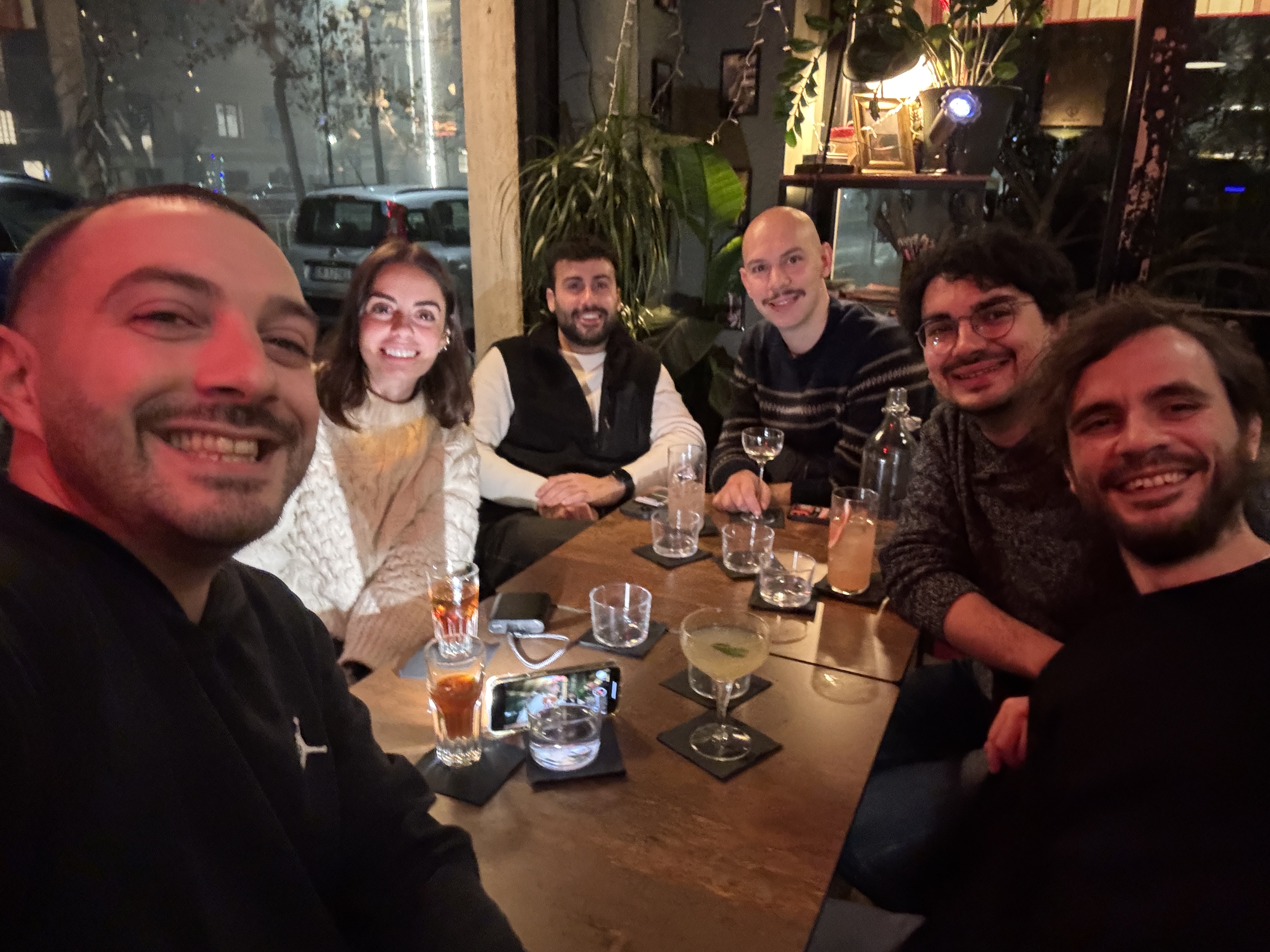
The decisive factors
- Trust is built with gestures, not contracts. Unblocking them for free the first week created a foundation of trust that lasted two years. When founders know you’re on their side, everything becomes simpler.
- Limited budget = forced discipline. We couldn’t afford mistakes or useless features. Every choice had to be justified by data or concrete business needs. This discipline made the product stronger.
- B2C consumer is a completely different beast. Technology is just one of the variables. Distribution, timing, marketing, network effects matter much more. If you’re thinking about a consumer product, make sure you have clear answers on how to distribute it before you even write a line of code.
Liquinvex taught me something that no B2B project had ever shown me with this clarity: you can do everything right technically and still not win.
And that’s okay. It’s part of the game.
For founders who are reading
If you’re stuck with a half-finished product, finding someone to unblock you is worth more than any new feature. Momentum is everything. Every month that passes with a stalled product is a month where competitors advance and users forget.
Having a limited budget is a constraint that forces you to make smart choices. The best collaborations I’ve had were with founders who had little budget but a lot of clarity about where they wanted to go. Scarcity of resources eliminates noise and leaves only the essential.
If you’re building a consumer product, think about distribution from day zero. Technology is the price of admission, not the ticket itself. Ask yourself: how will I bring users on board? How much does it cost to acquire one? How to scale? If you don’t have answers, stop and find them before investing months of development.
The success of a collaboration isn’t measured only in business metrics. Liquinvex is a case where we built a solid product, unlocked important opportunities, and worked together for two years with total transparency. The market had its say, as it always does. But the work done remains, and it remains well done.
The question isn’t “was the product successful?” but “did we build what was needed with the resources we had?”
And the answer, in this case, is yes.